-
Table of Contents
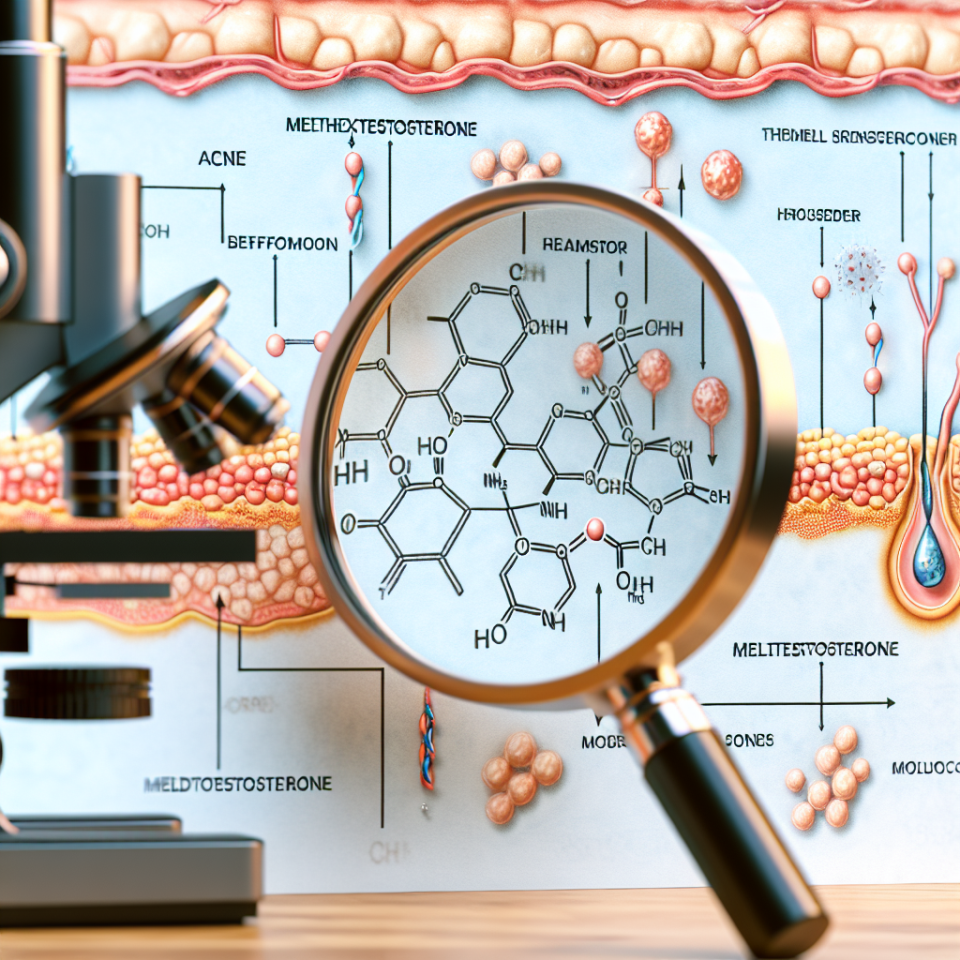
Acne and Skin Issues Caused by Methyltestosterone
Methyltestosterone is a synthetic form of testosterone, a hormone that plays a crucial role in the development and maintenance of male characteristics. It is commonly used in the treatment of testosterone deficiency and delayed puberty in males. However, like any medication, methyltestosterone can also have side effects, including acne and skin issues. In this article, we will explore the causes and effects of acne and skin issues caused by methyltestosterone and discuss potential solutions.
Understanding Methyltestosterone
Methyltestosterone belongs to a class of drugs known as androgens, which are hormones that promote the development of male characteristics. It is available in oral and injectable forms and is commonly used to treat conditions such as hypogonadism (low testosterone levels) and delayed puberty in males. Methyltestosterone works by binding to and activating androgen receptors in the body, which then stimulate the production of testosterone and other male hormones.
While methyltestosterone is primarily used for medical purposes, it is also commonly used by athletes and bodybuilders to enhance performance and muscle growth. This is due to its ability to increase muscle mass, strength, and endurance. However, the use of methyltestosterone for non-medical purposes is considered illegal and can have serious consequences.
The Link Between Methyltestosterone and Acne
Acne is a common skin condition that occurs when hair follicles become clogged with oil and dead skin cells. It is most commonly associated with puberty, as hormonal changes during this time can increase the production of oil in the skin. However, methyltestosterone can also contribute to the development of acne.
As an androgen, methyltestosterone can stimulate the production of sebum, an oily substance that helps keep the skin moisturized. When there is an excess of sebum, it can clog pores and lead to the formation of acne. Additionally, methyltestosterone can also increase the production of a protein called keratin, which can also contribute to clogged pores and acne formation.
Furthermore, methyltestosterone can also cause an increase in the production of a hormone called dihydrotestosterone (DHT). DHT is known to play a role in the development of acne, as it can stimulate the production of sebum and cause inflammation in the skin.
The Effects of Methyltestosterone on the Skin
In addition to acne, methyltestosterone can also cause other skin issues. These include oily skin, increased body hair growth, and male pattern baldness. These effects are due to the androgenic properties of methyltestosterone, which can cause an increase in the production of male hormones and their effects on the body.
Moreover, methyltestosterone can also cause skin irritation and inflammation. This is because androgens can stimulate the production of cytokines, which are proteins that play a role in the body’s immune response. When there is an excess of cytokines, it can lead to inflammation in the skin, causing redness, swelling, and discomfort.
Managing Acne and Skin Issues Caused by Methyltestosterone
If you are experiencing acne or other skin issues while taking methyltestosterone, it is essential to consult with your doctor. They may recommend adjusting your dosage or switching to a different form of testosterone therapy. Additionally, there are also some steps you can take to manage these side effects:
- Keep your skin clean by washing it twice a day with a gentle cleanser.
- Avoid using harsh or abrasive products on your skin.
- Use oil-free and non-comedogenic (non-pore clogging) skincare products.
- Consider using topical treatments containing ingredients such as salicylic acid or benzoyl peroxide to help control acne.
- Consult with a dermatologist for more severe cases of acne or skin issues.
Expert Opinion
According to a study published in the Journal of Clinical and Aesthetic Dermatology, the use of androgens, including methyltestosterone, can lead to the development of acne and other skin issues. The study also suggests that these side effects can be managed by adjusting the dosage or using topical treatments (Kircik, 2010).
Furthermore, a review published in the Journal of Drugs in Dermatology found that the use of topical retinoids, such as tretinoin, can be effective in managing acne caused by androgen therapy (Kircik, 2013). This highlights the importance of consulting with a dermatologist for personalized treatment recommendations.
Conclusion
Methyltestosterone is a commonly used medication for the treatment of testosterone deficiency and delayed puberty in males. However, it can also have side effects, including acne and skin issues. These effects are due to the androgenic properties of methyltestosterone, which can stimulate the production of sebum, DHT, and cytokines in the skin. By consulting with a doctor and following proper skincare practices, these side effects can be managed effectively. It is crucial to prioritize your health and consult with a healthcare professional before using any medication for non-medical purposes.
References
Kircik, L. H. (2010). The role of androgens and estrogens in acne. Journal of Clinical and Aesthetic Dermatology, 3(11), 22-30.
Kircik, L. H. (2013). Use of topical retinoids in the treatment of acne caused by androgen therapy. Journal of Drugs in Dermatology, 12(5), 533-536.