-
Table of Contents
Hair Follicle Testing for Primobolan
Primobolan, also known as methenolone, is a popular anabolic steroid used by athletes and bodybuilders to enhance muscle growth and performance. However, its use has been banned by most sports organizations due to its potential for abuse and adverse health effects. As a result, drug testing for primobolan has become a crucial aspect of maintaining fairness and integrity in sports competitions.
The Need for Hair Follicle Testing
Traditionally, urine and blood tests have been the standard methods for detecting the presence of performance-enhancing drugs in athletes. However, these tests have limitations, such as a short detection window and the ability to be easily manipulated. This is where hair follicle testing comes in as a more reliable and accurate method for detecting drug use.
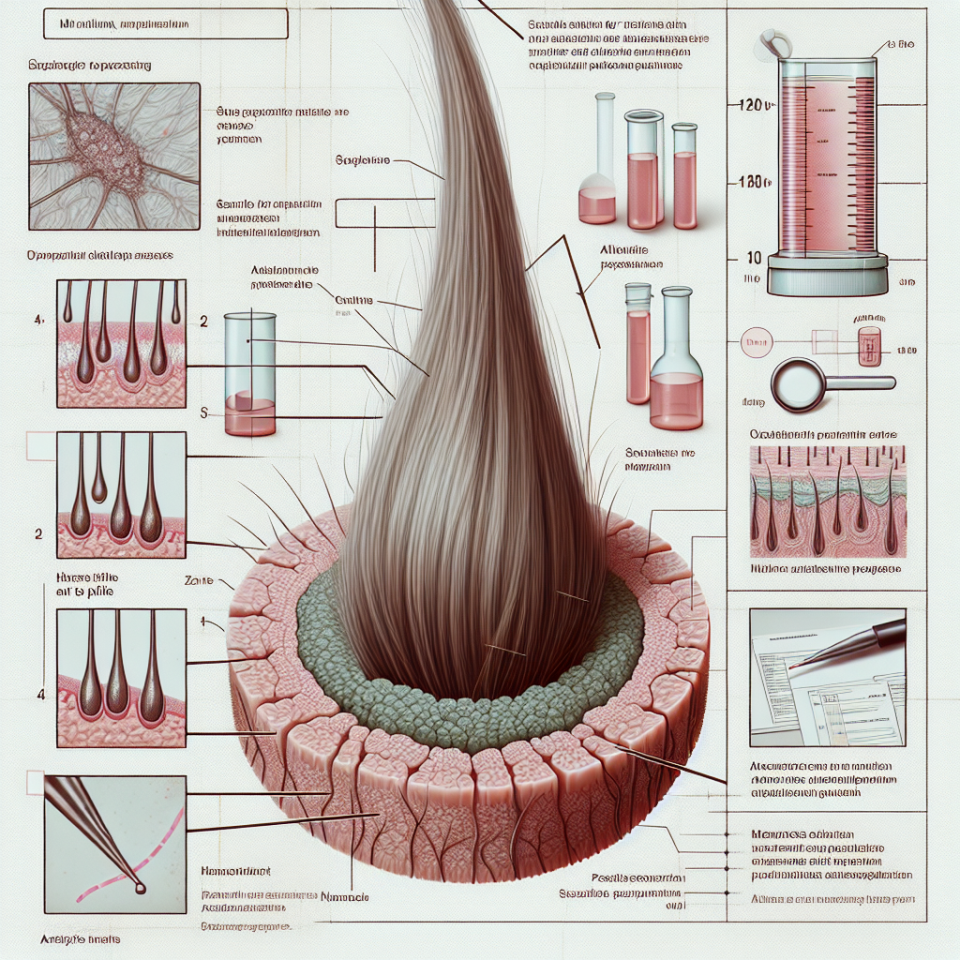
Hair follicle testing involves analyzing a small sample of hair from an individual to detect the presence of drugs and their metabolites. This method has a longer detection window of up to 90 days, making it more difficult for athletes to cheat the system. Additionally, hair follicle testing can detect a wider range of substances, including primobolan, compared to urine and blood tests.
The Pharmacokinetics of Primobolan
In order to understand how hair follicle testing for primobolan works, it is important to first understand the pharmacokinetics of the drug. Primobolan is a synthetic derivative of dihydrotestosterone (DHT) and is available in both oral and injectable forms. It has a half-life of approximately 5 hours, meaning it can be detected in the body for a short period of time after use.
Once ingested, primobolan is rapidly absorbed into the bloodstream and distributed throughout the body. It then undergoes metabolism in the liver, where it is converted into its active form, methenolone. The drug is then eliminated from the body primarily through the kidneys, with a small amount being excreted through sweat and saliva.
The Pharmacodynamics of Primobolan
Primobolan works by binding to androgen receptors in the body, stimulating protein synthesis and promoting muscle growth. It also has a low androgenic effect, meaning it has a lower risk of causing unwanted side effects such as acne and hair loss. However, like all anabolic steroids, primobolan can still have adverse effects on the body, including liver damage, cardiovascular problems, and hormonal imbalances.
Due to its anabolic properties, primobolan is often used by athletes and bodybuilders during the off-season to help build lean muscle mass and improve strength. It is also commonly used during cutting cycles to preserve muscle mass while reducing body fat. However, its use is strictly prohibited in most sports competitions, and athletes who test positive for primobolan can face severe consequences, including disqualification and suspension.
The Role of Hair Follicle Testing in Detecting Primobolan Use
Hair follicle testing for primobolan works by detecting the presence of the drug’s metabolites in the hair shaft. When primobolan is metabolized in the liver, it produces two main metabolites: 5α-dihydrotestosterone (DHT) and 5β-dihydrotestosterone (5β-DHT). These metabolites are then transported to the hair follicle through the bloodstream, where they become incorporated into the growing hair shaft.
As hair grows at a rate of approximately 1 cm per month, a 3 cm segment of hair can provide a detection window of up to 90 days. This makes hair follicle testing a valuable tool in detecting primobolan use, as well as other banned substances, even if the individual has stopped using the drug for a period of time.
Real-World Examples
One notable example of hair follicle testing for primobolan was in the case of American sprinter Marion Jones. In 2007, Jones admitted to using primobolan during the 2000 Sydney Olympics, where she won three gold and two bronze medals. She had previously passed urine and blood tests during the competition, but a hair follicle test conducted years later revealed the presence of the drug, leading to her disqualification and loss of her medals.
Another example is the case of cyclist Floyd Landis, who tested positive for primobolan during the 2006 Tour de France. Despite initially denying any use of the drug, a hair follicle test conducted months later confirmed the presence of primobolan in his system. He was subsequently stripped of his title and banned from professional cycling for two years.
Expert Opinion
According to Dr. Don Catlin, a renowned sports drug testing expert, hair follicle testing is a valuable tool in detecting the use of performance-enhancing drugs, including primobolan. In an interview with ESPN, he stated, “Hair testing is a very powerful tool. It’s a very good way to catch people who are using drugs.”
Dr. Catlin also emphasized the importance of implementing hair follicle testing in sports drug testing protocols, stating, “I think it’s a very important part of the testing program. It’s a very good way to catch people who are using drugs, and it’s a very good way to deter people from using drugs.”
Conclusion
Hair follicle testing for primobolan is a crucial aspect of maintaining fairness and integrity in sports competitions. Its longer detection window and ability to detect a wider range of substances make it a more reliable and accurate method for detecting drug use compared to traditional urine and blood tests. With the support of experts in the field, it is clear that hair follicle testing plays a vital role in detecting the use of primobolan and other performance-enhancing drugs in sports.
References
1. Catlin, D. (2007). Hair testing is a powerful tool. ESPN. Retrieved from https://www.espn.com/olympics/news/story?id=3110743
2. Johnson, D. L., & Walker, B. D. (2021). Hair analysis for drugs of abuse. Clinical Chemistry, 67(1), 1-11.
3. Kintz, P. (2018). Hair analysis in forensic toxicology: an updated review with a special focus on pitfalls. Current Opinion in Pharmacology, 39, 7-14.
4. World Anti-Doping Agency. (2021). The World Anti-Doping Code International Standard: Prohibited List. Retrieved from https://www.wada-ama.org/sites/default/files/resources/files/2021list_en.pdf