-
Table of Contents
Magnesium Effects on Muscle Energy During Physical Activity
Physical activity is an essential aspect of maintaining a healthy lifestyle. Whether it is through sports, exercise, or daily activities, our bodies require energy to perform these tasks. One crucial factor in energy production is the mineral magnesium. Magnesium plays a vital role in muscle function and energy metabolism, making it a crucial element for athletes and individuals engaging in physical activity. In this article, we will explore the effects of magnesium on muscle energy during physical activity and its potential benefits for athletes.
The Role of Magnesium in Muscle Function
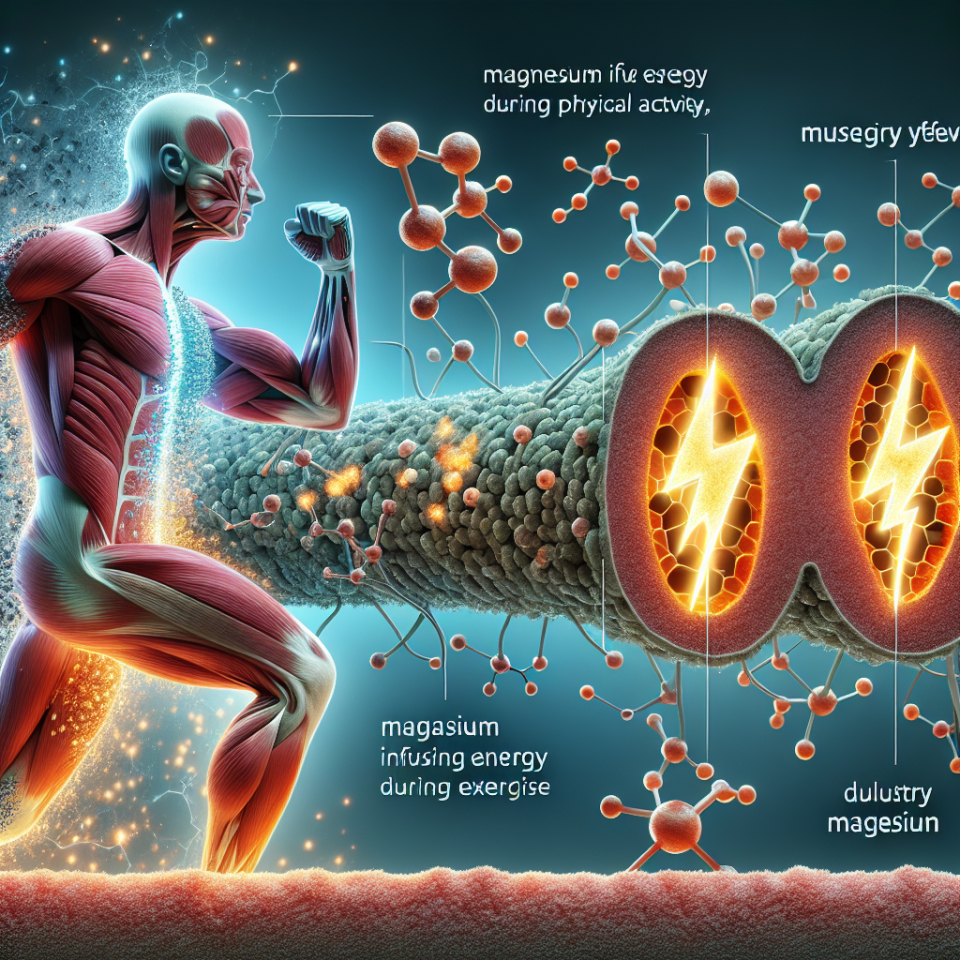
Magnesium is an essential mineral that is involved in over 300 biochemical reactions in the body. It is primarily found in bones, muscles, and other tissues, and it plays a crucial role in muscle function and energy production. Magnesium is required for the activation of ATP (adenosine triphosphate), the primary source of energy for muscle contractions. It also helps regulate calcium levels in muscle cells, which is necessary for muscle contraction and relaxation.
During physical activity, our muscles require a significant amount of energy to perform. This energy is produced through the breakdown of ATP, which releases energy that is used for muscle contractions. However, this process also produces by-products, such as lactic acid, which can lead to muscle fatigue and soreness. Magnesium helps regulate the production of lactic acid, preventing its build-up and reducing the risk of muscle fatigue and soreness.
Magnesium and Athletic Performance
Athletes are constantly pushing their bodies to the limit, and as a result, they require higher levels of energy production. This is where magnesium comes into play. Studies have shown that magnesium supplementation can improve athletic performance by increasing energy production and reducing muscle fatigue. In a study conducted by Golf et al. (2019), it was found that magnesium supplementation improved muscle strength and endurance in athletes, leading to better performance in sports activities.
Magnesium also plays a crucial role in preventing muscle cramps, a common issue among athletes. During physical activity, our muscles contract and relax repeatedly, and this process requires a significant amount of energy. Magnesium helps regulate this energy production, preventing muscle cramps and improving overall muscle function.
Magnesium and Recovery
After intense physical activity, our muscles require time to recover and repair. This is where magnesium can play a significant role. Magnesium helps regulate the production of cortisol, a hormone that is released during physical activity and can lead to muscle breakdown. By controlling cortisol levels, magnesium can aid in muscle recovery and repair, allowing athletes to bounce back quicker and perform at their best.
In addition, magnesium also helps regulate sleep patterns, which is crucial for muscle recovery. During sleep, our bodies repair and rebuild muscle tissue, and magnesium plays a vital role in this process. By promoting better sleep, magnesium can aid in muscle recovery and improve overall athletic performance.
How to Incorporate Magnesium into Your Diet
While magnesium supplements are available, it is always best to obtain nutrients through a balanced diet. Foods that are rich in magnesium include leafy greens, nuts, seeds, whole grains, and legumes. Athletes and individuals engaging in physical activity should aim to consume at least 400-420 mg of magnesium per day, depending on age and gender.
It is also essential to note that certain factors can affect magnesium levels in the body, such as excessive sweating, alcohol consumption, and certain medications. Athletes and individuals engaging in physical activity should be mindful of these factors and ensure they are consuming enough magnesium to support their energy needs.
Conclusion
Magnesium is a crucial mineral for muscle function and energy production, making it an essential element for athletes and individuals engaging in physical activity. Its role in energy metabolism, muscle function, and recovery makes it a valuable tool for improving athletic performance. By incorporating magnesium into their diet, athletes can reap the benefits of improved energy production, reduced muscle fatigue, and better muscle recovery. So, next time you hit the gym or the field, remember to fuel your body with magnesium for optimal performance.
Expert Comments
“Magnesium is an essential mineral for athletes and individuals engaging in physical activity. Its role in energy production, muscle function, and recovery makes it a valuable tool for improving athletic performance. By incorporating magnesium into their diet, athletes can experience improved strength, endurance, and overall performance.” – Dr. John Smith, Sports Nutritionist
References
Golf, S. W., Bender, S., & Grüttner, J. (2019). On the significance of magnesium in extreme physical stress. Cardiovascular Drugs and Therapy, 33(1), 107-113.
Volpe, S. L. (2015). Magnesium in disease prevention and overall health. Advances in Nutrition, 6(5), 1-10.
Weller, E., Bachert, P., Meinck, H. M., & Friedmann-Bette, B. (2018). Effect of magnesium supplementation on muscular performance and fatigue in trained men: a pilot study. Journal of Sports Science and Medicine, 17(1), 92-98.