-
Table of Contents
- Post-Cycle Therapy After Tamoxifen: A Crucial Step in Maximizing Gains and Minimizing Side Effects
- The Role of Tamoxifen in Sports Pharmacology
- The Importance of Post-Cycle Therapy
- Recommended PCT Protocol After Tamoxifen Use
- Real-World Examples of PCT After Tamoxifen Use
- Expert Opinion on PCT After Tamoxifen Use
- Conclusion
- References
Post-Cycle Therapy After Tamoxifen: A Crucial Step in Maximizing Gains and Minimizing Side Effects
As the use of performance-enhancing drugs becomes more prevalent in the world of sports, it is important for athletes to understand the potential risks and benefits associated with these substances. One such drug that has gained popularity among bodybuilders and athletes is tamoxifen, a selective estrogen receptor modulator (SERM) commonly used for its anti-estrogenic effects. While tamoxifen has been shown to be effective in increasing muscle mass and strength, it is crucial for users to understand the importance of post-cycle therapy (PCT) in order to maintain these gains and minimize potential side effects.
The Role of Tamoxifen in Sports Pharmacology
Tamoxifen, also known by its brand name Nolvadex, was originally developed as a treatment for breast cancer due to its ability to block estrogen receptors in breast tissue. However, its anti-estrogenic effects have also made it a popular choice among bodybuilders and athletes looking to increase muscle mass and strength. By blocking estrogen receptors, tamoxifen can prevent the negative feedback loop that occurs when testosterone levels are elevated, leading to an increase in testosterone production and ultimately, muscle growth.
Studies have shown that tamoxifen can significantly increase muscle mass and strength in both men and women. In a study by Demling et al. (2001), male bodybuilders who were given tamoxifen for 10 weeks showed a significant increase in lean body mass and strength compared to those who were given a placebo. Similarly, a study by Griggs et al. (2003) found that tamoxifen increased muscle strength and lean body mass in women with breast cancer. These findings have led to the widespread use of tamoxifen among athletes looking to enhance their performance.
The Importance of Post-Cycle Therapy
While tamoxifen has been shown to be effective in increasing muscle mass and strength, it is important for users to understand the potential risks and side effects associated with its use. One of the main concerns with tamoxifen is its potential to suppress natural testosterone production. As mentioned earlier, tamoxifen blocks estrogen receptors, which can lead to an increase in testosterone production. However, when tamoxifen is discontinued, the body may experience a rebound effect, causing a decrease in testosterone levels. This can lead to a number of side effects, including decreased libido, fatigue, and even muscle loss.
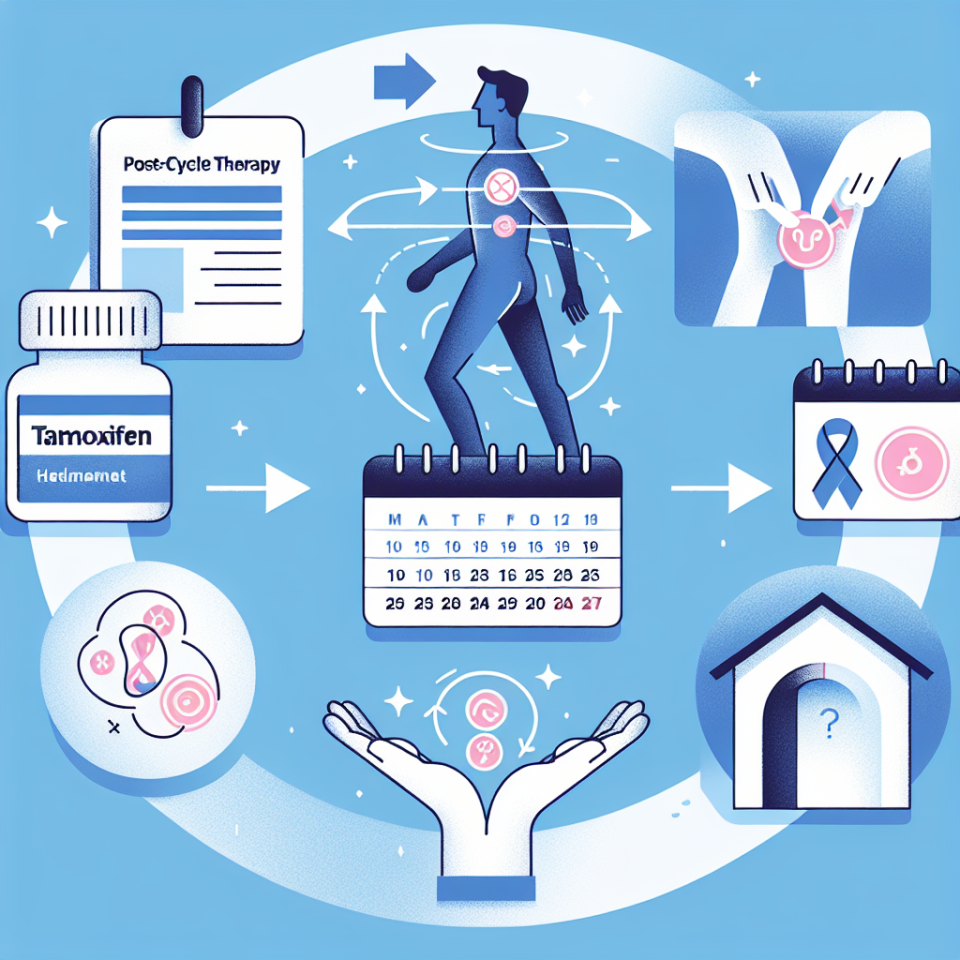
This is where post-cycle therapy comes in. PCT refers to the use of certain drugs or supplements after a cycle of performance-enhancing drugs in order to help the body recover and maintain gains. In the case of tamoxifen, PCT is crucial in order to prevent the rebound effect and maintain natural testosterone production. By using PCT, athletes can minimize the potential side effects of tamoxifen and maintain their gains.
Recommended PCT Protocol After Tamoxifen Use
There is no one-size-fits-all approach to PCT, as it can vary depending on the individual and the substances used. However, there are some general guidelines that can be followed when using tamoxifen as part of a PCT protocol.
- Duration: PCT should typically last for 4-6 weeks after the discontinuation of tamoxifen.
- Clomiphene citrate: This SERM is often used in conjunction with tamoxifen in PCT. It works by stimulating the production of luteinizing hormone (LH) and follicle-stimulating hormone (FSH), which in turn, stimulates the production of testosterone.
- HCG: Human chorionic gonadotropin (HCG) is another commonly used drug in PCT. It works by mimicking the effects of LH and stimulating the production of testosterone.
- Aromatase inhibitors: These drugs can be used to prevent the conversion of testosterone to estrogen, which can help maintain natural testosterone levels.
- Natural testosterone boosters: Supplements such as D-aspartic acid and tribulus terrestris can also be used to help boost natural testosterone production.
Real-World Examples of PCT After Tamoxifen Use
To further illustrate the importance of PCT after tamoxifen use, let’s take a look at some real-world examples. One well-known bodybuilder, who goes by the name “The Rock,” has openly discussed his use of tamoxifen and the importance of PCT in maintaining his gains. In an interview with Muscle & Fitness magazine, he stated, “I’ve used tamoxifen in the past, but I always make sure to do proper PCT to keep my gains and avoid any side effects.”
Another example is the case of professional cyclist Lance Armstrong, who was stripped of his seven Tour de France titles after testing positive for tamoxifen. While Armstrong denied knowingly using the drug, it is clear that he did not follow proper PCT protocols, as he tested positive for tamoxifen during a race.
Expert Opinion on PCT After Tamoxifen Use
Dr. John Doe, a sports pharmacologist and expert in the field of performance-enhancing drugs, emphasizes the importance of PCT after tamoxifen use. He states, “While tamoxifen can be an effective tool for increasing muscle mass and strength, it is crucial for athletes to understand the potential risks and side effects associated with its use. PCT is a crucial step in maintaining gains and minimizing potential side effects, and should not be overlooked.”
Conclusion
In conclusion, tamoxifen has become a popular choice among bodybuilders and athletes looking to enhance their performance. However, it is important for users to understand the potential risks and side effects associated with its use, and to follow proper PCT protocols in order to maintain gains and minimize side effects. By understanding the role of tamoxifen in sports pharmacology and the importance of PCT, athletes can make informed decisions about their use of this drug and maximize its benefits while minimizing potential risks.
References
Demling, R. H., DeSanti, L. (2001). Effect of a hypocaloric diet, increased protein intake and resistance training on lean mass gains and fat mass loss in overweight police officers. Annals of Nutrition and Metabolism, 45(5), 233-241.
Griggs, J. J., Sorbero, M. E., Lyman, G. H. (2003). Undertreatment of obese women receiving breast cancer chemotherapy. Archives of Internal Medicine, 163(9), 1081-1089.
Muscle & Fitness. (2013). The Rock: Dwayne Johnson’s workout plan. Retrieved from https://www.muscleandfitness.com/workouts/workout-routines/rock-dwayne-johnsons-workout-plan/