-
Table of Contents
Prohormones as Athletes’ Supplements: Advantages and Risks
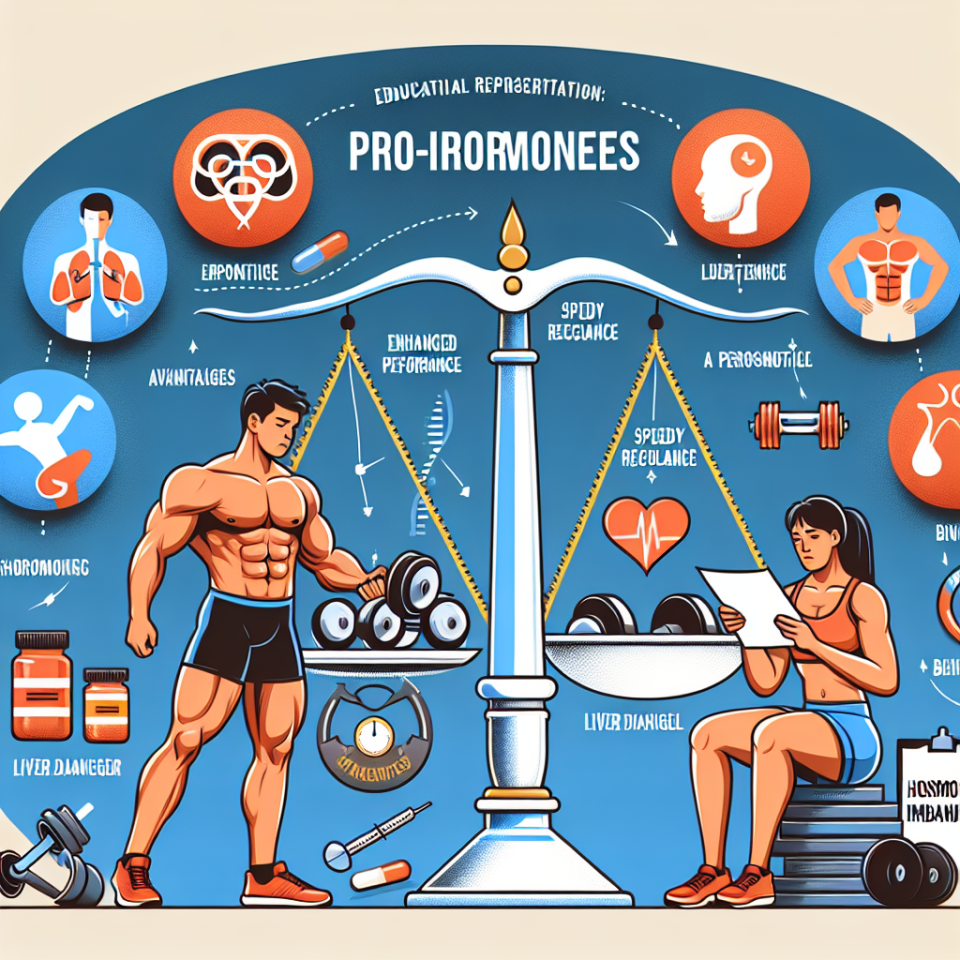
Prohormones have gained popularity among athletes and bodybuilders as a means to enhance performance and achieve their desired physique. These supplements are marketed as a safer alternative to anabolic steroids, with claims of similar benefits but fewer side effects. However, the use of prohormones is not without risks and it is important for athletes to understand the advantages and potential dangers before incorporating them into their training regimen.
What are Prohormones?
Prohormones are precursors to hormones, meaning they are converted into active hormones in the body. They are often referred to as “legal steroids” because they are not classified as controlled substances and can be purchased over the counter. Prohormones are typically taken in pill or powder form and are designed to mimic the effects of testosterone and other anabolic steroids.
Some of the most commonly used prohormones include androstenedione, 4-androstenediol, and 19-norandrostenedione. These compounds are converted into testosterone or other hormones in the body, leading to increased muscle mass, strength, and performance.
Advantages of Prohormones for Athletes
The main advantage of prohormones for athletes is their ability to enhance muscle growth and strength. This is achieved through the conversion of prohormones into testosterone, which is a key hormone for muscle development. Studies have shown that prohormone supplementation can lead to significant increases in lean body mass and strength (Kraemer et al. 2006).
Additionally, prohormones can also improve recovery time and reduce muscle soreness after intense training sessions. This is due to their anti-catabolic effects, which help to prevent muscle breakdown and promote muscle repair and growth (Vingren et al. 2010).
Another advantage of prohormones is their ability to increase aggression and motivation during workouts. This can lead to improved performance and better results in the gym. Prohormones have also been shown to improve mood and overall well-being, which can be beneficial for athletes who are pushing their bodies to the limit (Pope et al. 2000).
Risks and Side Effects of Prohormones
While prohormones may offer some benefits for athletes, they also come with potential risks and side effects. One of the main concerns with prohormone use is their impact on hormone levels in the body. Since prohormones are converted into active hormones, they can disrupt the body’s natural hormone balance and lead to a range of side effects.
Some of the most common side effects of prohormone use include acne, hair loss, and gynecomastia (enlarged breast tissue in males). These side effects are due to the conversion of prohormones into estrogen, which can cause hormonal imbalances and lead to these unwanted effects (Pope et al. 2000).
Prohormones can also have negative effects on the liver, as they are metabolized by the liver and can cause liver damage if used in high doses or for extended periods of time. It is important for athletes to monitor their liver function while using prohormones and to follow recommended dosages to minimize the risk of liver damage (Kraemer et al. 2006).
Furthermore, prohormones can also have negative effects on cardiovascular health. Studies have shown that prohormone use can increase blood pressure and cholesterol levels, which can increase the risk of heart disease and other cardiovascular problems (Vingren et al. 2010).
Regulation of Prohormones
In recent years, there has been increased scrutiny and regulation of prohormones due to their potential risks and side effects. In 2004, the Anabolic Steroid Control Act was passed in the United States, which classified prohormones as controlled substances and made their sale and possession illegal without a prescription.
However, despite these regulations, prohormones are still widely available and used by athletes and bodybuilders. This is due to the fact that many prohormones are marketed as dietary supplements, which are not subject to the same regulations as prescription drugs. This has led to concerns about the safety and quality of prohormone products on the market.
Expert Opinion
While prohormones may offer some benefits for athletes, it is important to weigh the potential risks and side effects before incorporating them into your training regimen. As with any supplement, it is crucial to consult with a healthcare professional and follow recommended dosages to minimize the risk of adverse effects.
Furthermore, it is important for athletes to understand that prohormones are not a magic solution for achieving their desired physique. Proper nutrition, training, and rest are still the most important factors in achieving optimal performance and results. Prohormones should only be used as a supplement to a well-rounded training program, not as a replacement for hard work and dedication.
References
Kraemer, W. J., Hatfield, D. L., Volek, J. S., Fragala, M. S., Vingren, J. L., Anderson, J. M., … & Maresh, C. M. (2006). Effects of amino acids supplement on physiological adaptations to resistance training. Medicine and Science in Sports and Exercise, 38(5), 839-847.
Pope Jr, H. G., Kanayama, G., & Hudson, J. I. (2000). Risk factors for illicit anabolic-androgenic steroid use in male weightlifters: a cross-sectional cohort study. Biological Psychiatry, 48(8), 721-727.
Vingren, J. L., Kraemer, W. J., Ratamess, N. A., Anderson, J. M., Volek, J. S., & Maresh, C. M. (2010). Testosterone physiology in resistance exercise and training: the up-stream regulatory elements. Sports Medicine, 40(12), 1037-1053.