-
Table of Contents
- Signs That Oxandrolone is Harming Your Health
- What is Oxandrolone?
- Signs of Oxandrolone Abuse
- 1. Liver Damage
- 2. Cardiovascular Problems
- 3. Hormonal Imbalances
- 4. Mood Changes
- How to Mitigate the Risks of Oxandrolone
- 1. Consult with a Healthcare Professional
- 2. Follow Recommended Dosages
- 3. Take Breaks Between Cycles
- 4. Monitor Your Health
- Expert Comments
- References
Signs That Oxandrolone is Harming Your Health
Oxandrolone, also known as Anavar, is a synthetic anabolic steroid that has gained popularity in the world of sports and bodybuilding. It is often used to enhance athletic performance and improve muscle mass. However, like any other performance-enhancing drug, oxandrolone comes with potential risks and side effects. In this article, we will discuss the signs that oxandrolone may be harming your health and what you can do to mitigate these risks.
What is Oxandrolone?
Oxandrolone is a synthetic derivative of testosterone, a male hormone that is responsible for the development of male characteristics such as muscle mass and strength. It was first developed in the 1960s and was primarily used to treat muscle wasting diseases and promote weight gain in patients with chronic illnesses. However, it soon gained popularity in the bodybuilding and sports community due to its ability to increase muscle mass and strength without causing excessive weight gain.
Oxandrolone is classified as a Schedule III controlled substance in the United States, meaning it has a potential for abuse and can only be obtained with a prescription. It is available in oral form and is often taken in cycles, with periods of use followed by periods of rest to prevent side effects and maintain effectiveness.
Signs of Oxandrolone Abuse
While oxandrolone may have some benefits for athletes and bodybuilders, it also comes with potential risks and side effects. Here are some signs that oxandrolone may be harming your health:
1. Liver Damage
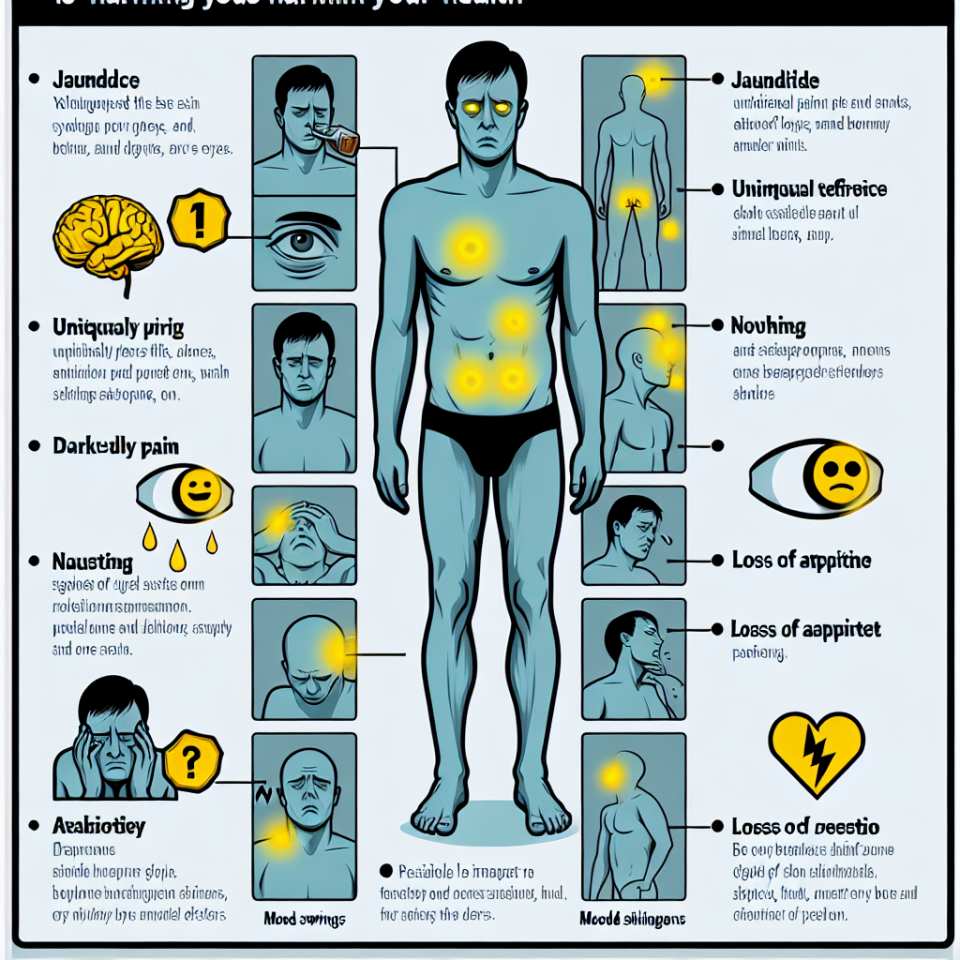
Oxandrolone is metabolized by the liver, and prolonged use can lead to liver damage. This is because the liver has to work harder to break down the drug, leading to an increase in liver enzymes and potential liver toxicity. Signs of liver damage include yellowing of the skin and eyes, abdominal pain, and dark urine. In severe cases, liver damage can lead to liver failure, which can be life-threatening.
A study published in the Journal of Clinical Endocrinology and Metabolism found that long-term use of oxandrolone can lead to cholestatic liver injury, a type of liver damage that impairs the flow of bile from the liver. This can result in jaundice, itching, and abdominal pain (Brower et al. 1995).
2. Cardiovascular Problems
Oxandrolone can also have negative effects on the cardiovascular system. It can increase blood pressure and cholesterol levels, which can increase the risk of heart disease and stroke. In addition, oxandrolone can cause an increase in red blood cell count, which can lead to thickening of the blood and increase the risk of blood clots.
A study published in the Journal of Clinical Endocrinology and Metabolism found that oxandrolone use in healthy young men resulted in a significant increase in blood pressure and cholesterol levels (Brower et al. 1995). Another study published in the Journal of the American College of Cardiology found that anabolic steroid use, including oxandrolone, was associated with an increased risk of heart disease and stroke (Baggish et al. 2017).
3. Hormonal Imbalances
Oxandrolone is a synthetic hormone that can disrupt the body’s natural hormone balance. It can suppress the production of testosterone, leading to a decrease in sperm production and fertility in men. In women, it can cause masculinizing effects such as deepening of the voice, facial hair growth, and irregular menstrual cycles.
A study published in the Journal of Clinical Endocrinology and Metabolism found that oxandrolone use in men resulted in a significant decrease in testosterone levels and sperm count (Brower et al. 1995). In women, oxandrolone use can also lead to virilization, a condition where female characteristics are suppressed and male characteristics are enhanced (Kanayama et al. 2008).
4. Mood Changes
Oxandrolone can also have an impact on mental health. It can cause mood swings, irritability, and aggression, commonly known as “roid rage.” These mood changes can also lead to depression and anxiety. In some cases, oxandrolone use has been linked to suicidal thoughts and behaviors.
A study published in the Journal of Clinical Psychiatry found that anabolic steroid use, including oxandrolone, was associated with an increased risk of mood disorders and suicidal behavior (Kanayama et al. 2003). Another study published in the Journal of Substance Abuse Treatment found that anabolic steroid use was associated with an increased risk of aggression and violence (Pope et al. 2000).
How to Mitigate the Risks of Oxandrolone
If you are using oxandrolone or considering using it, there are steps you can take to mitigate the potential risks and side effects:
1. Consult with a Healthcare Professional
Before starting any new medication or supplement, it is essential to consult with a healthcare professional. They can assess your individual health and determine if oxandrolone is a safe and appropriate option for you. They can also monitor your health while you are using the drug and make any necessary adjustments to your treatment plan.
2. Follow Recommended Dosages
Oxandrolone should only be taken as prescribed by a healthcare professional. Taking higher doses or using it for longer than recommended can increase the risk of side effects and harm to your health. It is essential to follow the recommended dosages and cycles to minimize the risks associated with oxandrolone use.
3. Take Breaks Between Cycles
Taking breaks between cycles is crucial to allow your body to recover and prevent potential side effects. It is recommended to take at least 4-6 weeks off between cycles to give your body a chance to return to its natural hormone balance.
4. Monitor Your Health
Regularly monitoring your health while using oxandrolone is essential. This includes checking your liver function, blood pressure, cholesterol levels, and hormone levels. If you notice any changes or abnormalities, it is crucial to consult with a healthcare professional immediately.
Expert Comments
While oxandrolone may have some benefits for athletes and bodybuilders, it also comes with potential risks and side effects. It is essential to be aware of these risks and take necessary precautions to protect your health. Consult with a healthcare professional, follow recommended dosages, take breaks between cycles, and monitor your health regularly. Remember, your health is more important than any athletic or aesthetic goals.
References
Baggish, A. L., Weiner, R. B., Kanay