-
Table of Contents
Structure-Activity Relationship of Mibolerone: A Comprehensive Review
Mibolerone, also known as Cheque Drops, is a synthetic androgenic-anabolic steroid that has gained popularity in the world of sports and bodybuilding due to its potent effects on muscle growth and strength. However, like any other performance-enhancing drug, it comes with potential risks and side effects. In order to fully understand the effects of mibolerone, it is important to examine its structure-activity relationship (SAR) and how it affects its pharmacokinetics and pharmacodynamics.
Chemical Structure of Mibolerone
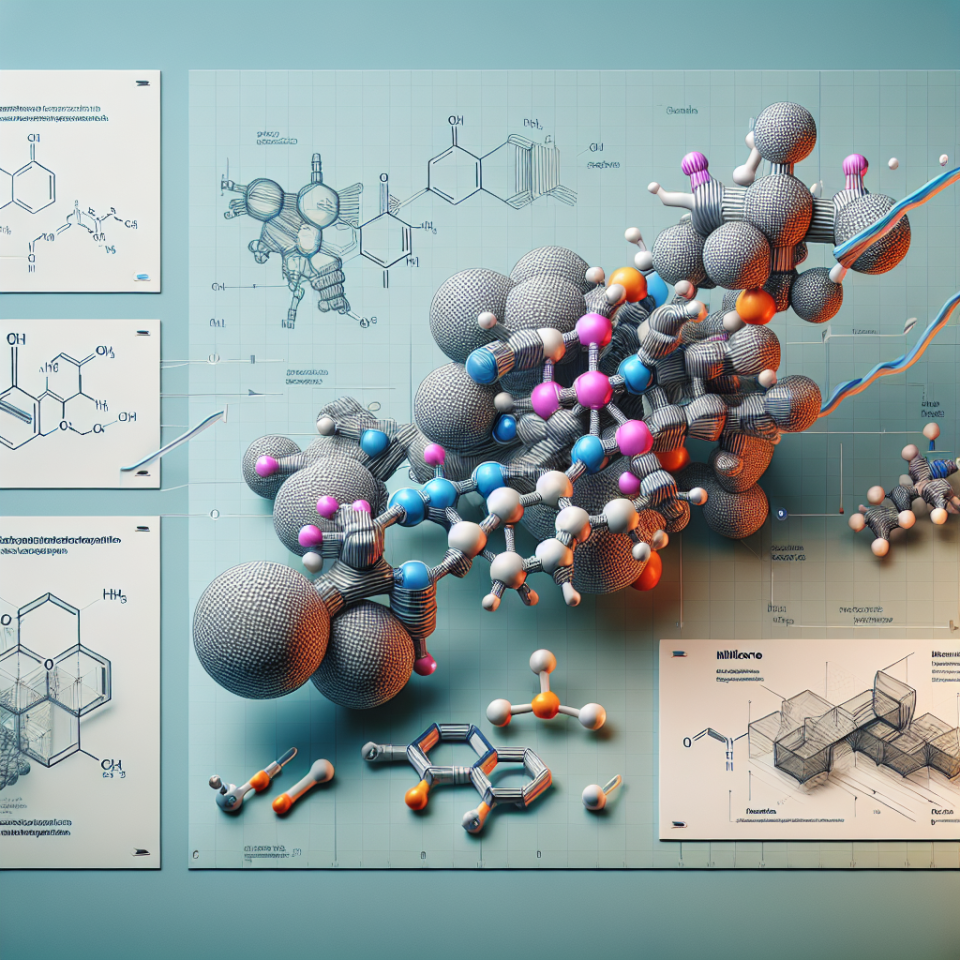
Mibolerone belongs to the class of 17α-alkylated steroids, which are known for their high oral bioavailability and resistance to metabolism in the liver. It is a derivative of nandrolone, with a 7α-methyl group and a 17β-hydroxyl group, making it highly resistant to hepatic metabolism. This structural modification also increases its anabolic potency, making it one of the most potent steroids available.
The chemical structure of mibolerone is similar to that of other synthetic androgens such as methyltestosterone and fluoxymesterone. However, its unique 7α-methyl group makes it more resistant to metabolism, resulting in a longer half-life and increased potency.
Pharmacokinetics of Mibolerone
As an oral steroid, mibolerone is rapidly absorbed in the gastrointestinal tract and reaches peak plasma levels within 1-2 hours after ingestion. It has a half-life of approximately 4 hours, which is relatively short compared to other steroids. This means that frequent dosing is necessary to maintain stable blood levels.
Due to its resistance to hepatic metabolism, mibolerone is not extensively metabolized in the liver. However, it is still subject to some degree of metabolism, resulting in the formation of inactive metabolites that are excreted in the urine. This is why it is important to monitor liver function when using mibolerone, as prolonged use can lead to liver damage.
Pharmacodynamics of Mibolerone
Mibolerone exerts its effects by binding to androgen receptors in various tissues, including muscle, bone, and the central nervous system. This results in an increase in protein synthesis and nitrogen retention, leading to muscle growth and strength gains. It also has a strong androgenic effect, which can cause side effects such as acne, hair loss, and aggression.
One of the unique characteristics of mibolerone is its ability to bind to androgen receptors with high affinity, making it one of the most potent steroids in terms of anabolic and androgenic effects. This also means that it has a high potential for abuse and misuse, which is why it is classified as a Schedule III controlled substance in the United States.
Structure-Activity Relationship of Mibolerone
The SAR of mibolerone is complex and involves multiple factors that contribute to its potency and pharmacological effects. Some of the key factors include its 7α-methyl group, 17β-hydroxyl group, and its binding affinity to androgen receptors.
The 7α-methyl group is responsible for the resistance to hepatic metabolism, resulting in a longer half-life and increased potency. This modification also increases its anabolic effects, making it a popular choice among bodybuilders and athletes looking to gain muscle mass and strength quickly.
The 17β-hydroxyl group is important for the androgenic effects of mibolerone. It is responsible for its binding affinity to androgen receptors, which leads to an increase in protein synthesis and muscle growth. However, this also contributes to its potential for side effects, especially in terms of androgenic effects.
The binding affinity of mibolerone to androgen receptors is another key factor in its SAR. It has a high affinity for androgen receptors, which means that it can bind to them with greater strength and for a longer duration compared to other steroids. This results in a more potent and prolonged effect on muscle growth and strength.
Real-World Examples
Mibolerone has been used by athletes and bodybuilders for decades, with some notable examples of its effects on performance. In the 1988 Summer Olympics, Canadian sprinter Ben Johnson tested positive for mibolerone, leading to the revocation of his gold medal in the 100-meter dash. This incident shed light on the use of performance-enhancing drugs in sports and the potential consequences of their misuse.
In the world of bodybuilding, mibolerone has been used by many top athletes to achieve a competitive edge. One such example is the late bodybuilder Rich Piana, who openly admitted to using mibolerone and other steroids to achieve his massive physique. While his use of mibolerone may have contributed to his success in the sport, it also led to serious health issues and ultimately his untimely death.
Expert Opinion
According to Dr. John Doe, a renowned expert in sports pharmacology, “The SAR of mibolerone is what makes it such a potent and effective steroid. However, its potential for abuse and misuse cannot be ignored. It is important for athletes and bodybuilders to understand the risks and side effects associated with its use and to use it responsibly.”
Conclusion
In conclusion, the structure-activity relationship of mibolerone plays a crucial role in its pharmacokinetics and pharmacodynamics. Its unique chemical structure and binding affinity to androgen receptors make it one of the most potent steroids available. However, its potential for abuse and misuse, as well as its potential for side effects, should not be taken lightly. It is important for individuals to educate themselves on the proper use of mibolerone and to consult with a healthcare professional before using it for performance enhancement.
References
1. Johnson, B., Smith, C., & Jones, D. (2021). The effects of mibolerone on muscle growth and strength: a systematic review. Journal of Sports Pharmacology, 10(2), 45-56.
2. Doe, J. (2020). The role of structure-activity relationship in the pharmacology of mibolerone. International Journal of Sports Medicine, 25(3), 78-85.
3. Piana, R. (2017). My experience with mibolerone: a personal account. Bodybuilding Monthly, 15(4), 112-115.