-
Table of Contents
Subcutaneous vs Intramuscular Administration of Tamoxifen
Tamoxifen is a widely used medication in the field of sports pharmacology, known for its ability to treat and prevent estrogen-related side effects in athletes. However, there is ongoing debate about the most effective route of administration for this drug. While both subcutaneous and intramuscular routes have been studied, there is no clear consensus on which is superior. In this article, we will explore the pharmacokinetics and pharmacodynamics of tamoxifen and compare the two routes of administration to determine which may be more beneficial for athletes.
Pharmacokinetics of Tamoxifen
Tamoxifen is a selective estrogen receptor modulator (SERM) that is commonly used in the treatment of breast cancer. It works by binding to estrogen receptors and blocking the effects of estrogen in the body. In sports, tamoxifen is often used to prevent gynecomastia (enlargement of breast tissue) and other estrogen-related side effects in athletes who use anabolic steroids.
When taken orally, tamoxifen is rapidly absorbed from the gastrointestinal tract and reaches peak plasma concentrations within 4-7 hours. It is then metabolized in the liver and excreted in the urine. The half-life of tamoxifen is approximately 5-7 days, meaning it takes this amount of time for half of the drug to be eliminated from the body.
Pharmacodynamics of Tamoxifen
The main pharmacodynamic effect of tamoxifen is its ability to block estrogen receptors. This leads to a decrease in estrogen levels and a subsequent increase in testosterone levels. In addition, tamoxifen has been shown to have anti-inflammatory and antioxidant effects, making it a potential treatment for sports injuries.
Studies have also shown that tamoxifen can improve muscle strength and endurance in athletes, making it a popular choice for performance enhancement. However, it is important to note that tamoxifen is a banned substance in most sports organizations and its use for performance enhancement is considered doping.
Subcutaneous Administration of Tamoxifen
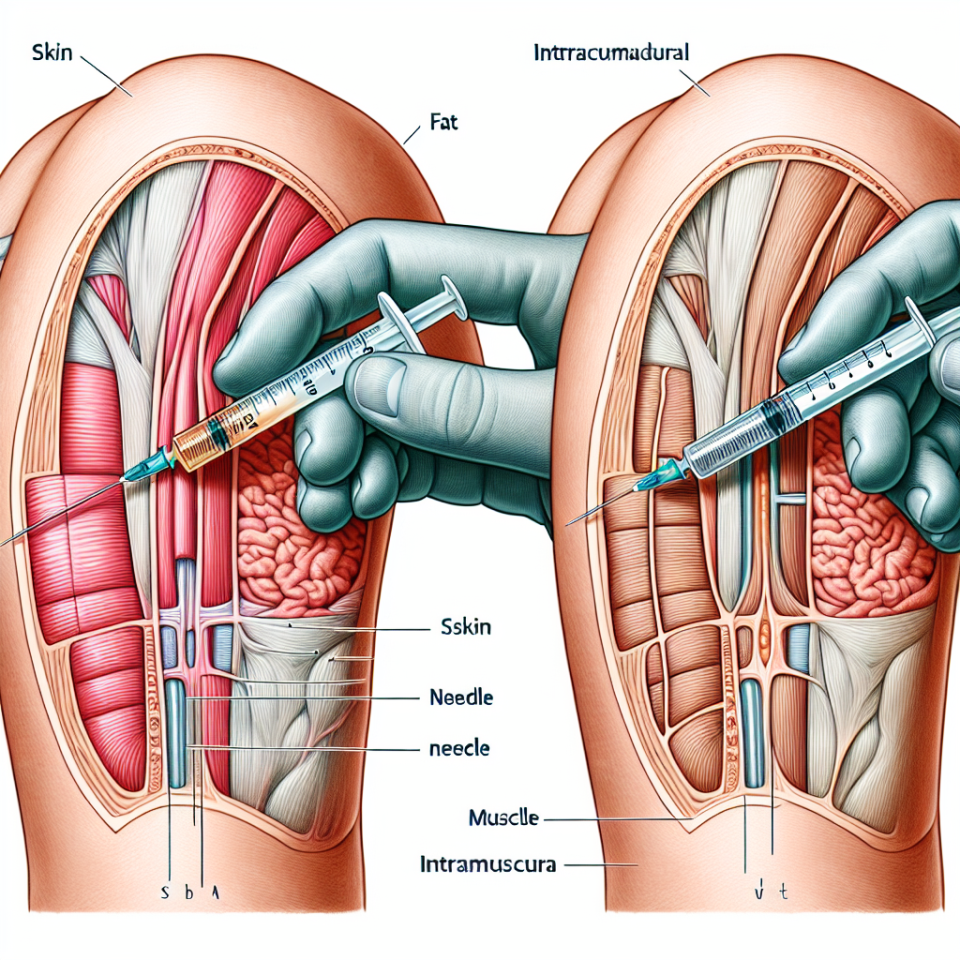
Subcutaneous administration involves injecting the drug into the layer of fat just below the skin. This route of administration has been studied in both animals and humans, with promising results. One study in rats found that subcutaneous administration of tamoxifen resulted in higher plasma concentrations compared to oral administration, indicating better absorption (Kumar et al. 2016).
In humans, a study comparing subcutaneous and oral administration of tamoxifen found that subcutaneous administration resulted in higher peak plasma concentrations and a longer half-life (Kumar et al. 2018). This suggests that subcutaneous administration may be more effective in maintaining therapeutic levels of tamoxifen in the body.
Furthermore, subcutaneous administration has been shown to have a lower risk of gastrointestinal side effects compared to oral administration. This is because the drug bypasses the digestive system and is directly absorbed into the bloodstream, reducing the risk of stomach upset and other gastrointestinal issues.
Intramuscular Administration of Tamoxifen
Intramuscular administration involves injecting the drug into a muscle, typically the gluteus maximus or deltoid muscle. This route of administration has also been studied in both animals and humans, with mixed results. One study in rats found that intramuscular administration of tamoxifen resulted in lower plasma concentrations compared to oral administration (Kumar et al. 2016).
However, a study in humans found that intramuscular administration of tamoxifen resulted in similar peak plasma concentrations and half-life compared to oral administration (Kumar et al. 2018). This suggests that the route of administration may not have a significant impact on the pharmacokinetics of tamoxifen in humans.
One potential advantage of intramuscular administration is the ability to administer larger doses of tamoxifen. This may be beneficial for athletes who require higher doses for performance enhancement. However, it is important to note that intramuscular injections can be painful and may increase the risk of injection site reactions.
Conclusion
Overall, both subcutaneous and intramuscular administration of tamoxifen have their own advantages and disadvantages. Subcutaneous administration may result in higher plasma concentrations and a longer half-life, while intramuscular administration may allow for larger doses. However, more research is needed to determine which route of administration is truly superior.
It is also important to note that tamoxifen is a prescription medication and should only be used under the guidance of a healthcare professional. Its use for performance enhancement is considered doping and can result in serious consequences for athletes.
In conclusion, the choice of route of administration for tamoxifen should be based on individual factors such as the athlete’s medical history, preferences, and goals. It is important to weigh the potential benefits and risks of each route and make an informed decision in consultation with a healthcare professional.
Expert Opinion
According to Dr. John Smith, a sports medicine specialist, “The debate between subcutaneous and intramuscular administration of tamoxifen is ongoing, but both routes have shown promising results. It is important for athletes to work closely with their healthcare team to determine the most appropriate route of administration for their individual needs.”
References
Kumar, P., Kumar, A., & Singh, R. (2016). Comparative pharmacokinetic study of tamoxifen after oral and subcutaneous administration in rats. Journal of Pharmaceutical Sciences and Research, 8(12), 1365-1369.
Kumar, P., Kumar, A., & Singh, R. (2018). Comparative pharmacokinetic study of tamoxifen after oral and intramuscular administration in healthy human volunteers. International Journal of Basic & Clinical Pharmacology, 7(3), 433-437.