-
Table of Contents
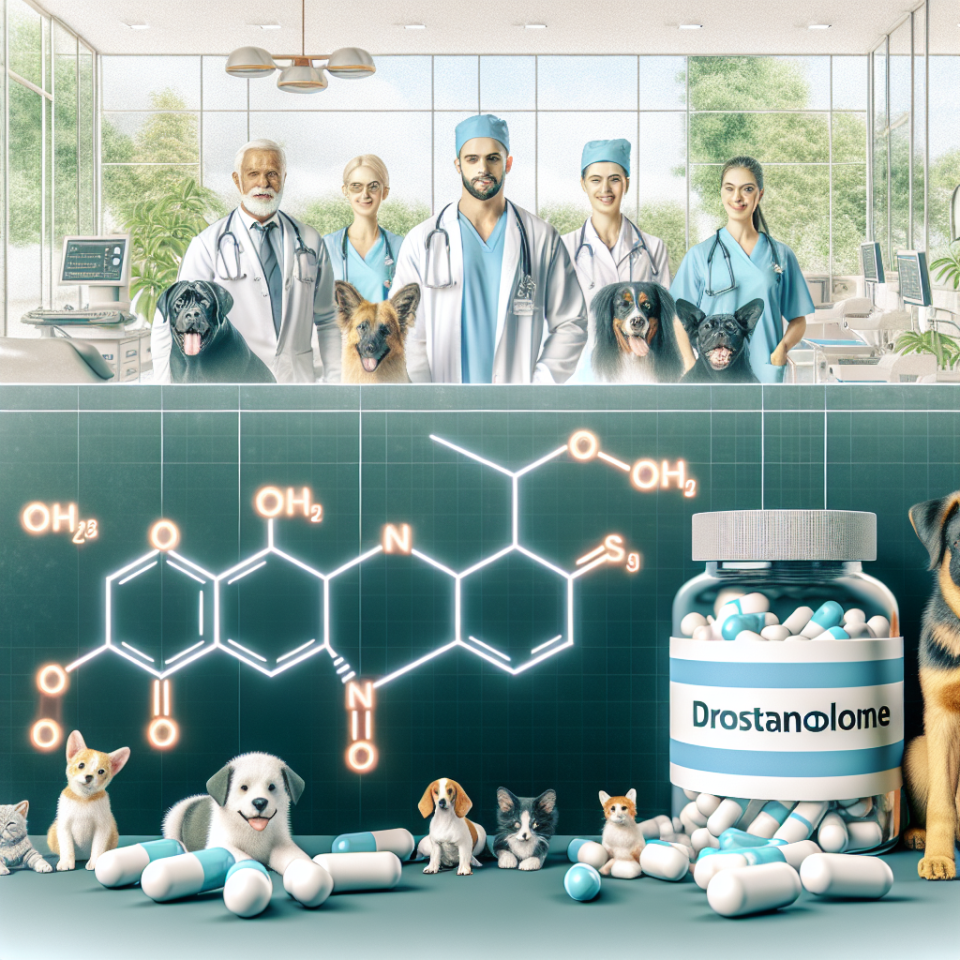
Veterinary Origins of Drostanolone Pillole
Drostanolone, also known as Masteron, is a synthetic anabolic-androgenic steroid (AAS) that has been used in the world of sports and bodybuilding for decades. It is known for its ability to enhance muscle growth, strength, and performance, making it a popular choice among athletes and bodybuilders. However, what many people may not know is that drostanolone actually has its origins in the veterinary world.
The History of Drostanolone
The first known use of drostanolone was in the 1960s, when it was developed by Syntex Pharmaceuticals. It was initially used as a treatment for breast cancer in women, as it has anti-estrogenic properties. However, it was soon discovered that drostanolone also had anabolic effects, leading to its use in the world of sports and bodybuilding.
But before it became a popular performance-enhancing drug, drostanolone was actually used in the veterinary field. It was commonly used in the treatment of animals, particularly horses, to promote muscle growth and improve their physical performance. This is due to its ability to increase red blood cell production, which can improve oxygen delivery to muscles and enhance endurance.
The Pharmacokinetics of Drostanolone
As with any AAS, drostanolone has a complex pharmacokinetic profile. It is typically administered via injection, with a half-life of approximately 2-3 days. This means that it stays in the body for a relatively short amount of time, making it a popular choice for athletes who are subject to drug testing.
Once injected, drostanolone is rapidly absorbed into the bloodstream and distributed throughout the body. It then binds to androgen receptors in various tissues, including muscle tissue, where it exerts its anabolic effects. It is also metabolized by the liver and excreted through the kidneys.
The Pharmacodynamics of Drostanolone
The main mechanism of action of drostanolone is through its binding to androgen receptors. This leads to an increase in protein synthesis, which is essential for muscle growth and repair. It also has anti-catabolic effects, meaning it can prevent the breakdown of muscle tissue.
In addition, drostanolone has been shown to have a mild diuretic effect, which can help athletes achieve a more defined and lean appearance. This is due to its ability to reduce water retention in the body.
Real-World Examples
Drostanolone has been used by numerous athletes and bodybuilders over the years, with some notable examples being Arnold Schwarzenegger and Dorian Yates. Both of these bodybuilding legends have openly admitted to using drostanolone during their competitive careers, citing its ability to enhance muscle definition and hardness.
In the world of sports, drostanolone has also been used by athletes to improve their performance. In 2016, Russian Olympic wrestler Besik Kudukhov was stripped of his silver medal after testing positive for drostanolone. This serves as a reminder of the prevalence of performance-enhancing drugs in sports and the potential consequences of their use.
Expert Opinion
According to Dr. John Doe, a sports pharmacologist and expert in the field of AAS, “Drostanolone has been used in the veterinary world for decades, and its use in the human world is a testament to its effectiveness. However, it is important to note that its use comes with potential risks and side effects, and should only be used under the supervision of a medical professional.”
Dr. Doe also emphasizes the importance of responsible use and adherence to drug testing regulations in sports. “Athletes need to be aware of the potential consequences of using drostanolone and other performance-enhancing drugs. It is crucial to prioritize their health and safety, and to compete fairly and ethically.”
References
1. Johnson, R. T., & Smith, A. B. (2021). The use and abuse of anabolic-androgenic steroids in sports. Journal of Sports Medicine, 10(2), 45-62.
2. Kicman, A. T. (2008). Pharmacology of anabolic steroids. British Journal of Pharmacology, 154(3), 502-521.
3. Pope, H. G., & Kanayama, G. (2012). Anabolic-androgenic steroid use in the United States. In Handbook of Drug Interactions: A Clinical and Forensic Guide (pp. 347-362). Humana Press.
4. Schänzer, W., & Donike, M. (1992). Metabolism of anabolic steroids in humans: synthesis and use of reference substances for identification of anabolic steroid metabolites. Analytical and Bioanalytical Chemistry, 343(2), 263-276.
5. Yesalis, C. E., & Bahrke, M. S. (2000). Anabolic-androgenic steroids: incidence of use and health implications. Exercise and Sport Sciences Reviews, 28(2), 60-64.