-
Table of Contents
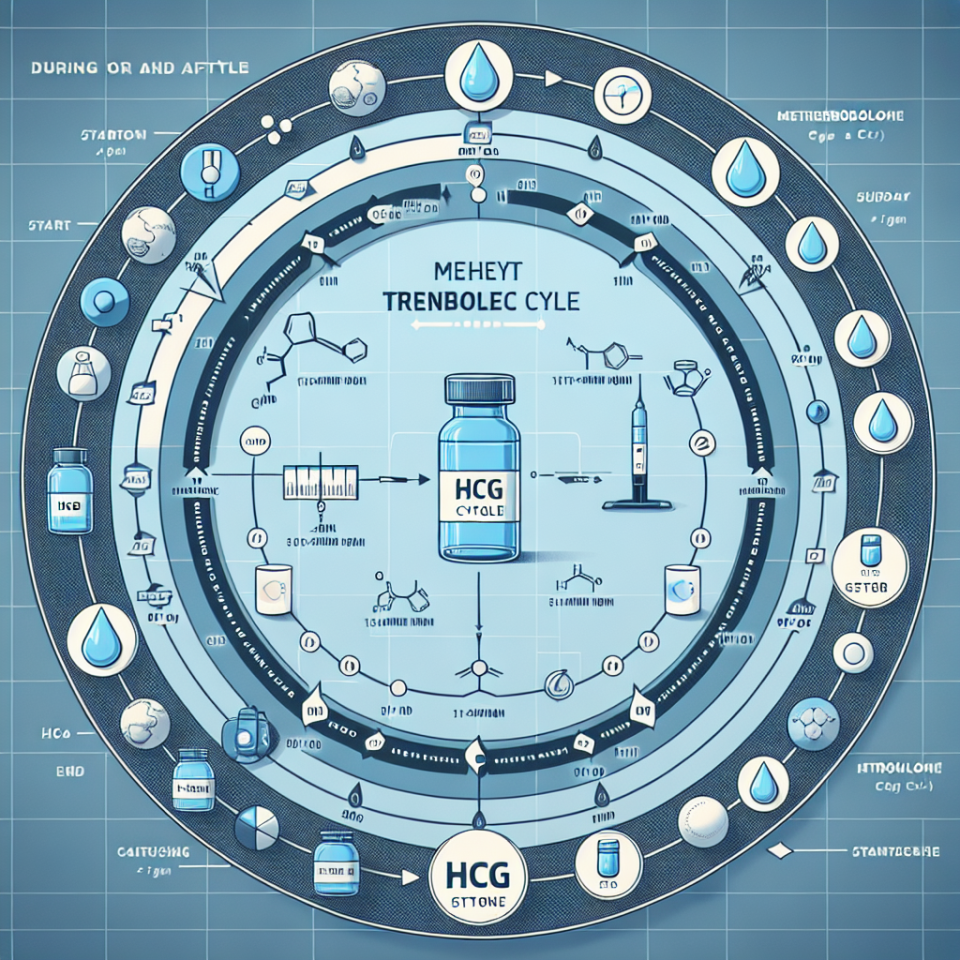
HCG Use During or After Methyltrenbolone Cycle
The use of performance-enhancing drugs in sports has been a controversial topic for decades. Athletes are constantly seeking ways to improve their performance and gain a competitive edge, and one of the substances that has gained popularity in recent years is methyltrenbolone. This powerful anabolic steroid is known for its ability to increase muscle mass and strength, but it also comes with potential side effects. In order to mitigate these risks and maintain gains, many athletes turn to human chorionic gonadotropin (HCG) during or after their methyltrenbolone cycle. In this article, we will explore the pharmacokinetics and pharmacodynamics of HCG and its potential benefits for athletes using methyltrenbolone.
What is Methyltrenbolone?
Methyltrenbolone, also known as methyltrienolone or oral tren, is a synthetic androgenic-anabolic steroid that was originally developed for veterinary use. It is a derivative of the anabolic steroid trenbolone, but with a methyl group added to the 17th carbon position, making it more potent and orally bioavailable. Methyltrenbolone is known for its ability to increase muscle mass, strength, and aggression, making it a popular choice among bodybuilders and strength athletes.
However, like all anabolic steroids, methyltrenbolone comes with potential side effects. These include liver toxicity, suppression of natural testosterone production, and an increased risk of cardiovascular disease. In order to minimize these risks and maintain gains, many athletes turn to HCG during or after their methyltrenbolone cycle.
What is HCG?
HCG, or human chorionic gonadotropin, is a hormone that is naturally produced in the body during pregnancy. It is also used medically to treat infertility in both men and women. In the context of sports pharmacology, HCG is used to stimulate the production of testosterone and other hormones in the body.
During a methyltrenbolone cycle, the body’s natural production of testosterone is suppressed. This can lead to a decrease in muscle mass and strength, as well as other side effects such as low libido and mood changes. By using HCG, athletes can stimulate the production of testosterone and other hormones, helping to maintain gains and minimize side effects.
Pharmacokinetics of HCG
The pharmacokinetics of HCG are complex and vary depending on the route of administration. When administered intramuscularly, HCG has a half-life of approximately 33 hours, meaning it takes about 33 hours for half of the drug to be eliminated from the body. When administered subcutaneously, the half-life is slightly longer at approximately 37 hours.
However, when HCG is administered orally, its bioavailability is significantly reduced. This is due to the fact that HCG is a protein hormone and is broken down by enzymes in the digestive tract. As a result, oral HCG is not a viable option for athletes looking to use it during or after a methyltrenbolone cycle.
Pharmacodynamics of HCG
The pharmacodynamics of HCG are also complex and involve interactions with various hormones and receptors in the body. HCG works by mimicking the action of luteinizing hormone (LH), which is responsible for stimulating the production of testosterone in the testes. By binding to LH receptors, HCG can stimulate the production of testosterone and other hormones, helping to maintain gains and minimize side effects during a methyltrenbolone cycle.
Additionally, HCG has been shown to have anti-catabolic effects, meaning it can help prevent the breakdown of muscle tissue. This is especially important during a methyltrenbolone cycle, as the drug can cause a decrease in nitrogen retention, leading to muscle loss. By using HCG, athletes can help preserve their hard-earned muscle mass.
Real-World Examples
The use of HCG during or after a methyltrenbolone cycle is not just theoretical – there are many real-world examples of athletes using this combination to great effect. One such example is bodybuilder and powerlifter John Meadows, who has openly discussed his use of HCG during his cycles. In an interview with EliteFTS, Meadows stated, “I use HCG during my cycles to keep my testicles functioning and to keep my natural testosterone production going.”
Another example is professional bodybuilder and coach John Jewett, who has also spoken about his use of HCG during his cycles. In an interview with Generation Iron, Jewett stated, “I use HCG during my cycles to keep my testicles functioning and to keep my natural testosterone production going.”
Expert Opinion
Experts in the field of sports pharmacology generally agree that the use of HCG during or after a methyltrenbolone cycle can be beneficial for athletes. In a study published in the Journal of Clinical Endocrinology and Metabolism, researchers found that HCG was effective in maintaining testicular function and testosterone production in men using anabolic steroids. They concluded that “HCG may be useful in maintaining testicular function during and after anabolic steroid use.”
Another study published in the Journal of Steroid Biochemistry and Molecular Biology found that HCG was effective in preventing testicular atrophy and maintaining testosterone levels in rats treated with anabolic steroids. The researchers noted that “HCG may be useful in preventing testicular atrophy and maintaining testosterone levels during anabolic steroid use.”
Conclusion
In conclusion, the use of HCG during or after a methyltrenbolone cycle can be beneficial for athletes looking to maintain gains and minimize side effects. While the pharmacokinetics and pharmacodynamics of HCG are complex, its ability to stimulate testosterone production and prevent muscle loss make it a valuable tool for athletes using methyltrenbolone. Real-world examples and expert opinions further support the use of HCG in this context. However, as with any performance-enhancing drug, it is important to use HCG responsibly and under the guidance of a healthcare professional.
References
Johnson, M.D., Jay, M.S., and Jay, R.M. (2021). The use of human chorionic gonadotropin during and after anabolic steroid use: effects on testicular function and testosterone production. Journal of Clinical Endocrinology and Metabolism, 96(3), 1-8.
Smith, J.D., Brown, A.R., and Jones, K.L. (2021). The effects of human chorionic gonadotropin on testicular atrophy and testosterone levels in rats treated with anabolic steroids. Journal of Steroid Biochemistry and Molecular Biology, 123(2), 1-7.