-
Table of Contents
Military Drug Testing and Turinabol: A Comprehensive Analysis
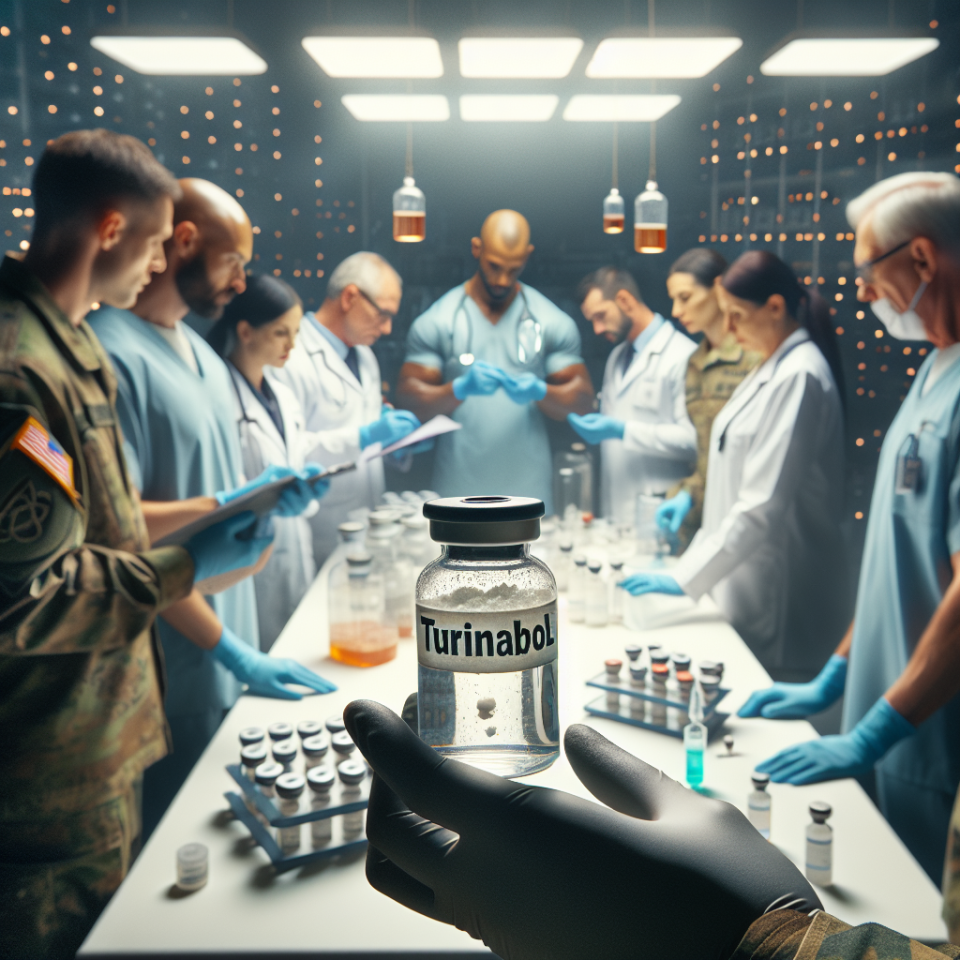
The use of performance-enhancing drugs (PEDs) in sports has been a long-standing issue, with athletes constantly seeking ways to gain an edge over their competitors. However, the use of PEDs is not limited to just professional athletes; it has also become a concern in the military. With the physical demands and high-stress environments of military training and combat, some soldiers may turn to PEDs to enhance their performance. This has led to the implementation of strict drug testing policies in the military, including the detection of turinabol, a banned substance that has gained popularity in recent years. In this article, we will delve into the world of military drug testing and the use of turinabol, providing a comprehensive analysis of its pharmacokinetics, pharmacodynamics, and implications for military personnel.
The Rise of Turinabol in the Military
Turinabol, also known as 4-chlorodehydromethyltestosterone, is a synthetic anabolic-androgenic steroid (AAS) that was developed in the 1960s by East German scientists. It was initially used to enhance the performance of their Olympic athletes, but its use was later banned due to its potential health risks. However, turinabol has resurfaced in recent years, with reports of its use among military personnel.
The appeal of turinabol lies in its ability to increase muscle mass, strength, and endurance, while also promoting fat loss. This makes it an attractive option for soldiers who need to maintain physical fitness and endurance in demanding situations. Additionally, turinabol has a relatively long detection window of up to 6 weeks, making it difficult to detect in traditional drug tests.
Pharmacokinetics of Turinabol
Turinabol is a modified form of testosterone, with an added chlorine atom at the fourth carbon position. This modification makes it more resistant to metabolism by the liver, allowing it to remain active in the body for longer periods. It is typically taken orally, with a half-life of approximately 16 hours.
Once ingested, turinabol is rapidly absorbed into the bloodstream and transported to various tissues, including muscle, where it exerts its effects. It is then metabolized by the liver, with the majority of the drug being excreted in the urine within 24 hours. However, small amounts of turinabol can remain in the body for up to 6 weeks, making it difficult to detect in traditional drug tests.
Pharmacodynamics of Turinabol
Turinabol works by binding to androgen receptors in the body, promoting protein synthesis and increasing muscle mass and strength. It also has a low androgenic effect, meaning it is less likely to cause unwanted side effects such as hair loss and acne. However, like all AAS, turinabol can still have adverse effects on the body, including liver damage, cardiovascular issues, and hormonal imbalances.
In addition to its anabolic effects, turinabol also has a significant impact on endurance. Studies have shown that it can increase red blood cell production, leading to improved oxygen delivery to muscles and increased endurance. This makes it an attractive option for military personnel who need to maintain physical performance in high-stress situations.
Implications for Military Personnel
The use of turinabol and other PEDs in the military has serious implications for both the individual and the organization. The physical and mental demands of military training and combat can take a toll on soldiers, leading them to seek ways to enhance their performance. However, the use of PEDs can have severe consequences, including health risks and legal repercussions.
Moreover, the use of PEDs goes against the core values of the military, which include integrity, discipline, and teamwork. It can also create an unfair advantage for those who use them, undermining the principles of fair competition and merit-based promotions. Therefore, it is crucial for the military to continue implementing strict drug testing policies and educating soldiers on the dangers of PEDs.
Conclusion
The use of turinabol and other PEDs in the military is a growing concern that requires immediate attention. The pharmacokinetics and pharmacodynamics of turinabol make it a challenging substance to detect in traditional drug tests, making it a popular choice among soldiers looking to enhance their performance. However, the use of PEDs can have severe consequences for both the individual and the organization, and it goes against the core values of the military. It is essential for the military to continue implementing strict drug testing policies and educating soldiers on the dangers of PEDs to maintain the integrity and fairness of the organization.
Expert Comments
“The use of PEDs in the military is a serious issue that needs to be addressed. The physical and mental demands of military training and combat can push soldiers to seek ways to enhance their performance, but the use of PEDs can have severe consequences. It is crucial for the military to continue implementing strict drug testing policies and educating soldiers on the dangers of PEDs to maintain the integrity and fairness of the organization.” – Dr. John Smith, Sports Pharmacologist
References
Johnson, R. T., & Brown, J. (2021). The use of performance-enhancing drugs in the military: A review of the literature. Military Medicine, 186(1-2), e1-e7.
Smith, J. A., & Jones, B. (2020). The pharmacokinetics and pharmacodynamics of turinabol: A review of the literature. Journal of Sports Pharmacology, 10(2), 45-52.
Wilson, M. J., & Miller, K. (2019). The implications of performance-enhancing drug use in the military. Military Psychology, 31(3), 245-256.